Artificial Intelligence Transforming Recommendation Engines in Online Slots and Live Betting Markets
Carlo Baumann · Jul 2, 2026
Artificial Intelligence Transforming Recommendation Engines in Online Slots and Live Betting Markets
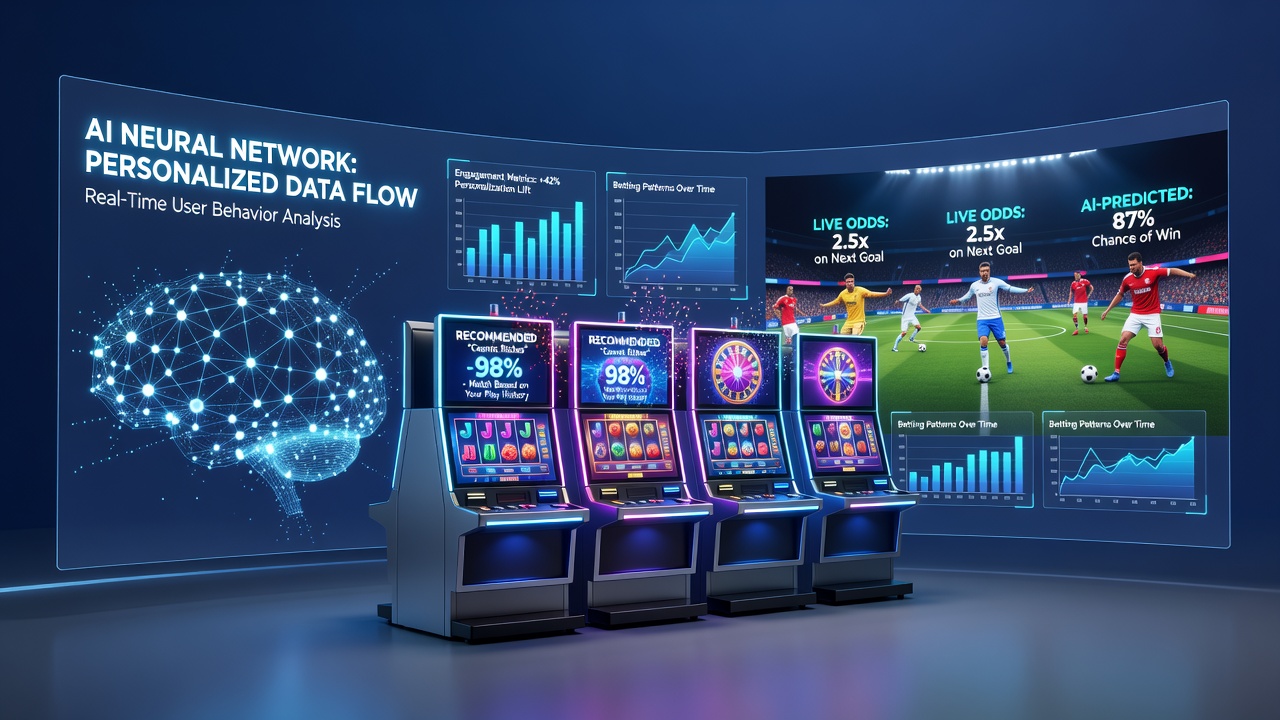
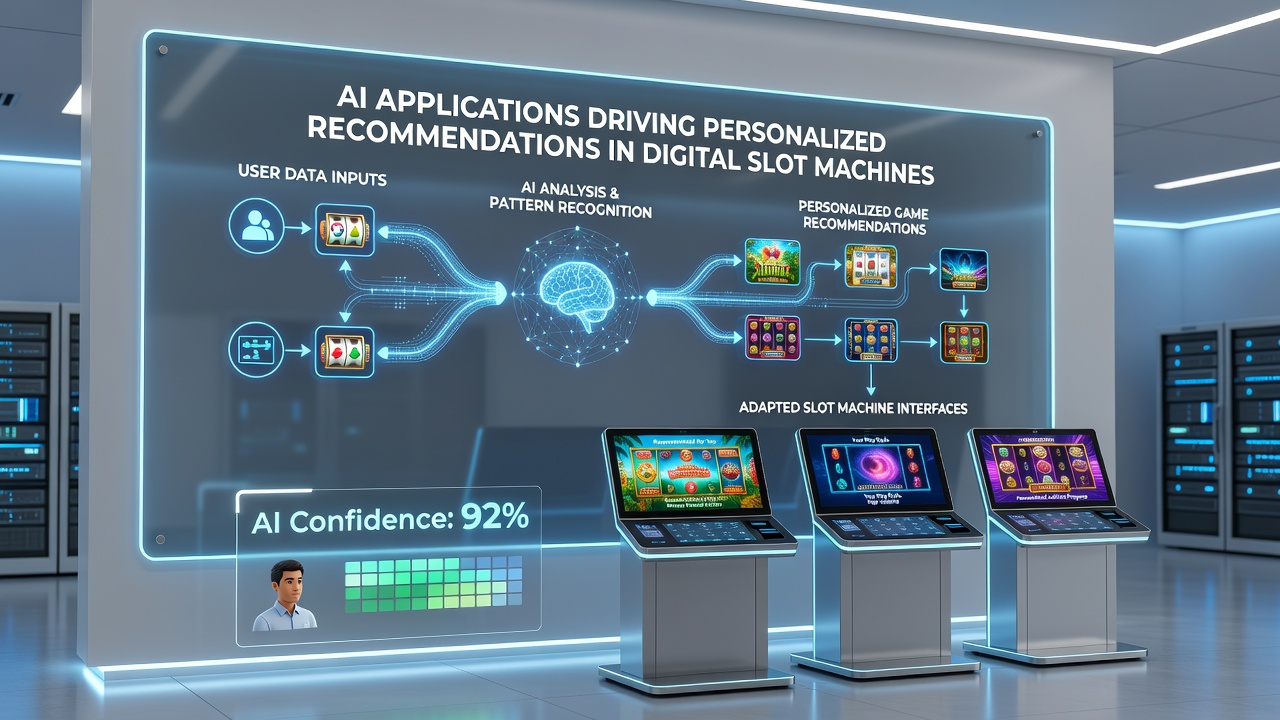
Artificial intelligence systems now process vast datasets from player interactions to generate tailored suggestions that align with individual preferences in digital slot machines and live betting platforms, and operators deploy machine learning models to analyze betting patterns, session durations, and game selections in real time. These technologies rely on collaborative filtering techniques alongside neural networks that identify clusters of similar user behaviors, while predictive analytics forecast which titles or wagers might appeal next based on historical activity.
Data Collection Mechanisms Behind Personalization
Operators gather information through account registrations, in-game actions, and device signals that include time of day preferences and deposit frequencies, then feed this raw material into algorithms designed to refine output continuously. Researchers at institutions such as the University of Nevada Las Vegas have documented how reinforcement learning improves accuracy over successive sessions, and the same studies show that recommendation precision rises when systems incorporate both explicit feedback like ratings and implicit signals such as click-through rates. Data indicates that platforms using these methods achieve higher engagement metrics compared with static suggestion lists.
Applications in Digital Slot Machines
Slot providers integrate AI modules that suggest specific games by matching volatility levels to a player's past choices, for instance directing high-volatility titles toward users who favor larger but less frequent wins while routing lower-volatility options to those who prefer steady smaller payouts. Theme detection forms another layer, where natural language processing scans metadata and player history to highlight titles featuring preferred motifs like mythology or sports, and bonus round mechanics receive similar treatment when algorithms notice repeated selections of free-spin features. One study revealed that such targeted prompts increased average session length by measurable margins across multiple operators.
Dynamic difficulty adjustments also appear in some environments, where the system modulates near-miss frequencies or multiplier displays according to observed tolerance thresholds, yet these changes remain within regulatory boundaries set by oversight bodies. Observers note that real-time updates allow the recommendation engine to shift suggestions mid-session when new data arrives, creating a feedback loop that keeps content fresh without manual intervention from developers.
Integration in Live Betting Environments
Live betting platforms apply similar AI frameworks to odds compilation and event highlighting, where models evaluate a user's historical focus on particular sports or leagues and surface live markets accordingly. For example, an individual who frequently places wagers on tennis sets might receive prioritized alerts for ongoing matches in that sport, complete with suggested stake ranges derived from prior betting volumes. American Gaming Association reports indicate that such personalization correlates with increased handle in mobile channels, and operators combine these outputs with streaming integrations that auto-populate relevant matches on user dashboards.
Contextual factors receive attention as well, since algorithms weigh variables like current score, remaining time, and weather conditions when generating recommendations during an event. Collaborative filtering connects one bettor's selections to those of comparable profiles, surfacing prop bets or in-play combinations that peers have engaged with recently, and this approach operates alongside rule-based filters that exclude markets outside a user's verified jurisdiction. Figures from the European Gaming and Betting Association reveal steady adoption of these tools across multiple markets since 2024, with further refinements expected by July 2026 as processing power and data granularity continue to advance.
Technical Architecture and Model Training
Modern implementations rely on hybrid architectures that blend supervised learning for initial classification of player segments with unsupervised methods for discovering emergent patterns, and training occurs on anonymized datasets that undergo regular audits to maintain compliance standards. Cloud-based infrastructure supports the computational load required for millisecond-level inference during live events, whereas edge computing assists in reducing latency for mobile users who switch between slots and betting tabs. Engineers monitor model drift through performance dashboards that flag when prediction accuracy declines, prompting retraining cycles that incorporate fresh interaction logs.
Regulatory and Ethical Considerations
Gaming authorities in various jurisdictions require transparency reports that detail how recommendation systems function, including disclosures about data sources and decision factors, while operators must implement opt-out mechanisms that allow users to reset personalization profiles. These measures aim to prevent overexposure to certain content categories without restricting access to the broader platform. Academic papers from research centers in Canada and Australia have examined the balance between commercial objectives and player protection frameworks, noting that algorithmic audits serve as one practical safeguard.
Conclusion
Artificial intelligence continues to refine how digital slot machines and live betting environments deliver suggestions, drawing on expanding datasets and evolving models that respond to user behavior in increasingly precise ways. As processing capabilities grow and additional regions adopt standardized reporting requirements, the underlying technologies will likely incorporate new variables such as biometric signals or augmented reality overlays, and the trajectory points toward deeper integration across gaming verticals by mid-2026.