Connecting Instant Payment Solutions with Unified Loyalty Frameworks in Online Betting Systems
Iris Berger · Jun 18, 2026

Connecting Instant Payment Solutions with Unified Loyalty Frameworks in Online Betting Systems
Electronic payment systems have expanded rapidly in virtual betting environments where users engage with slots, live dealer tables, and sports wagering through single accounts, and these systems now feed directly into loyalty structures that track activity across game types. Data from industry reports shows that platforms using instant transfer methods record higher rates of cross-game participation because funds move without delays between different betting categories. Observers note that when deposits process in seconds, players maintain momentum and accumulate points that apply to rewards spanning multiple formats rather than isolated ones.
Mechanics of Payment Integration in Multi-Game Settings
Unified wallets allow deposits and withdrawals to update balances across slots, blackjack, roulette, and sportsbooks simultaneously, which means loyalty algorithms receive continuous data streams instead of fragmented inputs. Research indicates that systems relying on e-wallet providers process transactions at volumes exceeding traditional bank methods by significant margins, enabling real-time point calculations that reflect total user activity. Those who have examined platform architectures find that APIs connecting payment gateways to loyalty databases reduce discrepancies in reward allocation, since every bet placed in any category registers without manual reconciliation steps.
Payment innovations such as tokenized transactions and blockchain-based ledgers further support these frameworks by providing verifiable records that loyalty programs use to verify eligibility for tier upgrades or bonus redemptions. Figures reveal that in regions where regulations permit such integrations, operators report increased session lengths because users do not pause to handle separate funding for each game type.
Evidence from Platform Data and User Patterns
Studies conducted on aggregated transaction logs demonstrate that loyalty programs incorporating instant payment options see participation rates climb as users shift between game categories without friction. One analysis of North American operators found that wallets supporting multiple currencies and instant conversions correlated with a measurable rise in multi-game engagement over twelve-month periods. Experts tracking these metrics observe that point multipliers applied uniformly across offerings encourage players to sample new formats rather than remaining within familiar ones.
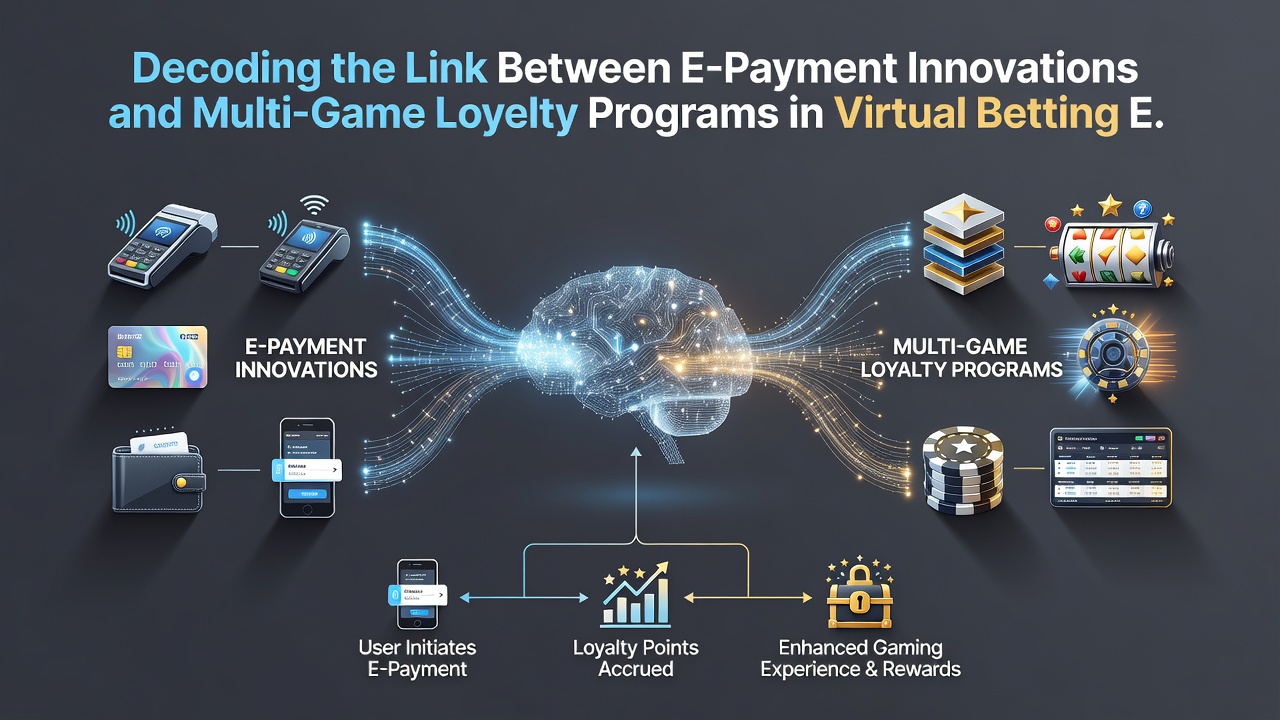
European markets provide additional examples where payment service directives have standardized instant transfer capabilities, leading to loyalty systems that award status based on combined wagering volume rather than per-game totals. Data shows that users accessing these unified programs complete more transactions per session because the same balance serves every activity without repeated funding actions. Researchers have documented that platforms adopting these methods experience steadier retention curves compared to those maintaining separate loyalty tracks for each vertical.
Regulatory Contexts Across Regions
Authorities in Australia have issued guidelines on digital payment transparency that affect how loyalty points convert into credits or prizes, requiring clear disclosure of terms that span different betting products. Similar frameworks in Canadian provinces emphasize audit trails for payment-linked rewards to ensure compliance across virtual ecosystems. These rules shape the technical connections between gateways and loyalty engines, since operators must maintain records that satisfy oversight while delivering seamless user experiences.
Industry associations such as the American Gaming Association have published summaries noting that payment speed influences loyalty program design choices, particularly when operators seek to compete in crowded markets. Academic work from institutions examining digital economies highlights cases where integrated systems reduced administrative overhead for reward distribution by centralizing data collection through payment channels.
Technical Developments Supporting Broader Adoption
Developments scheduled for rollout around June 2026 include enhanced API standards that allow loyalty engines to pull transaction data from multiple payment processors in a single query, which simplifies point calculations across game libraries. Observers tracking these updates report that operators testing early versions achieved faster reward delivery times without increasing error rates in point assignments. Such changes build on existing patterns where e-payment volume directly feeds into tier progression metrics.
Security protocols like multi-factor authentication paired with payment confirmations add layers that protect loyalty balances while keeping transaction flows efficient. Those monitoring platform performance note that reduced downtime in payment processing translates to uninterrupted accumulation of rewards, which in turn supports sustained activity across virtual betting categories.
Conclusion
The documented connections between payment speed and loyalty program scope continue to influence how virtual betting platforms structure rewards, with evidence from transaction data and regulatory reports confirming that instant funding options enable more cohesive multi-game tracking. As technical standards evolve, the alignment between these elements remains measurable through participation and retention statistics across different jurisdictions.