Exploring Cross-Game Wagering Requirement Tracking in Digital Casinos
Olivia Simon · Jun 4, 2026

Exploring Cross-Game Wagering Requirement Tracking in Digital Casinos
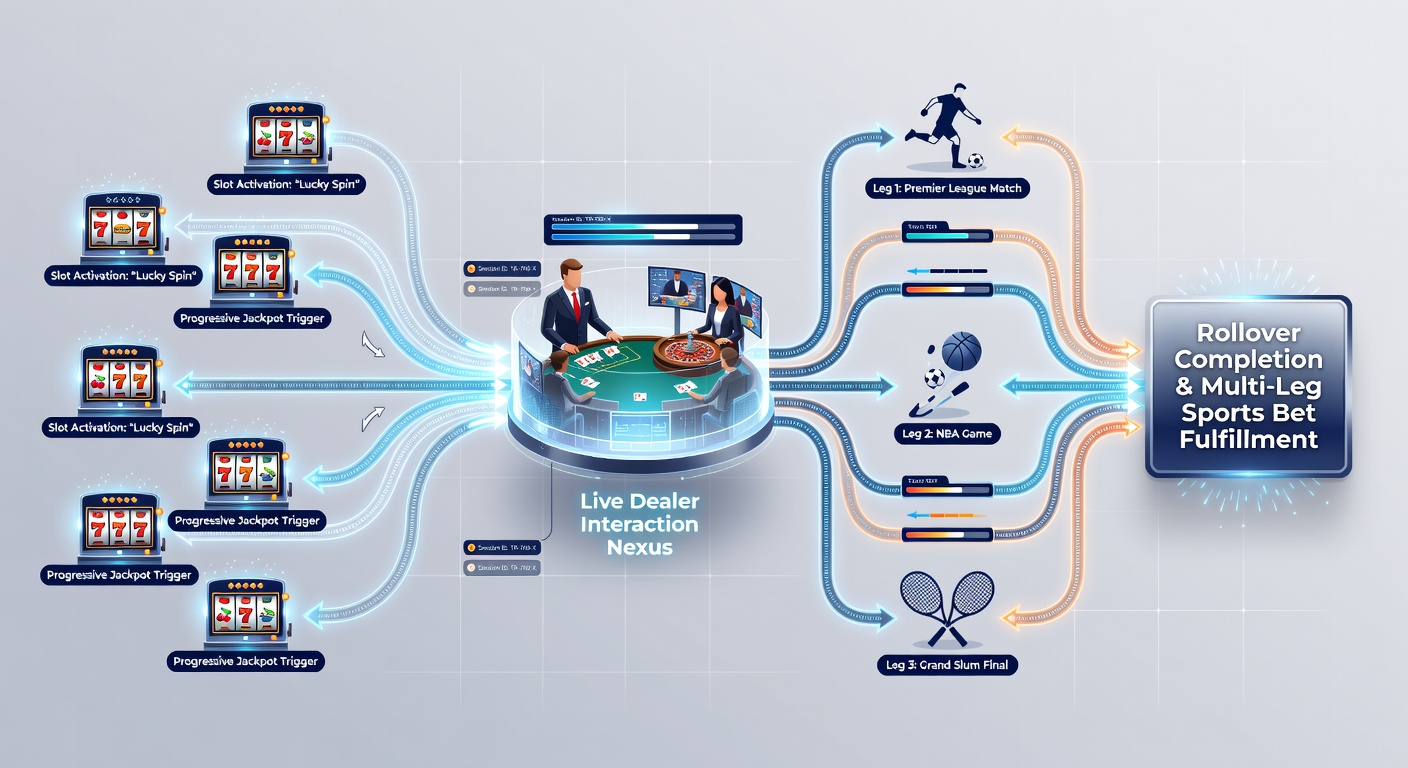
Digital gambling platforms maintain detailed records of player activity to manage bonus conditions across multiple game categories, and systems follow these paths from the moment a slot machine registers a spin all the way through live dealer sessions and into multi-leg sports accumulators where several outcomes combine into one bet. Operators rely on integrated software that logs each wager against specific criteria, ensuring that funds contributed toward playthrough obligations meet the rules set for each product type.
Core Elements of Wagering Requirement Systems
Platforms calculate playthrough obligations by assigning different contribution percentages to various activities, so slot spins often count at full value while live dealer tables and accumulator bets receive reduced percentages or special conditions. Data from international reports show that these percentages vary by jurisdiction and operator policy, yet the tracking software remains consistent in logging every transaction timestamp and game identifier. June 2026 figures released by several European gaming associations indicated that average contribution rates for accumulator bets hovered around 10 to 25 percent depending on the number of legs included in the wager.
Slot Activations as Starting Points
When a player activates a slot, the system immediately records the stake amount and applies it against any active bonus balance according to the game category weightings. These initial entries create the foundation for the entire trail because subsequent activities must reference the same player account and bonus identifier. Research published by the University of Las Vegas gaming studies program demonstrates that early slot activity frequently accounts for the largest share of completed playthroughs in mixed-platform environments.
Live Dealer Sessions and Mid-Trail Adjustments
Live dealer interactions introduce real-time elements such as table limits and game speed that affect how quickly wagering requirements advance. The software monitors each hand or spin, applies the appropriate contribution rate, and updates the remaining obligation without interrupting the stream. Observers note that blackjack and roulette tables often carry lower contribution weights than slots, which means players must place larger total bets to achieve the same progress during these sessions.
Extension Into Multi-Leg Sports Accumulators
Once the trail reaches sports betting sections, the system evaluates each leg of an accumulator separately before combining the results into a single settlement. Multi-leg bets receive contribution credit only after all selected events conclude, which creates a delayed update compared with the instant logging seen in slots and live tables. Australian regulatory summaries from 2026 highlighted that accumulator contribution rules frequently include minimum odds requirements per leg to prevent low-risk combinations from artificially accelerating playthrough completion.
Technology Behind Continuous Tracking
Backend databases link every game round to a central ledger that updates in real time across slots, live dealer interfaces, and the sportsbook. API connections between different product modules allow the platform to maintain a single view of remaining requirements regardless of where the player chooses to continue. Industry white papers from Canadian research groups describe encryption protocols that protect these trails while still permitting instant verification during cashout requests.
Cross-Platform Consistency and Player Visibility
Players receive progress dashboards that display cumulative contributions from all qualifying activities, and these interfaces pull data from the same unified ledger. Transparency features allow users to filter by game type or date range, revealing exactly how each category has advanced the overall requirement. Reports compiled by the Malta Gaming Authority in mid-2026 showed increased adoption of such dashboards across licensed operators, correlating with fewer disputes over completed playthrough calculations.
Conclusion
Integrated tracking systems now connect slot activations, live dealer interactions, and multi-leg sports accumulators into one continuous process that operators and regulators can audit at any stage. The combination of percentage-based contributions, real-time logging, and delayed accumulator settlements creates a structured yet flexible framework that accommodates diverse player preferences while maintaining compliance standards. As platforms continue to refine these mechanisms, the trails become more precise and the visibility for all parties improves accordingly.