Payment Rails Powering Cross-Game Flows on Mobile Devices
Olivia Simon · Aug 6, 2026
Payment Rails Powering Cross-Game Flows on Mobile Devices
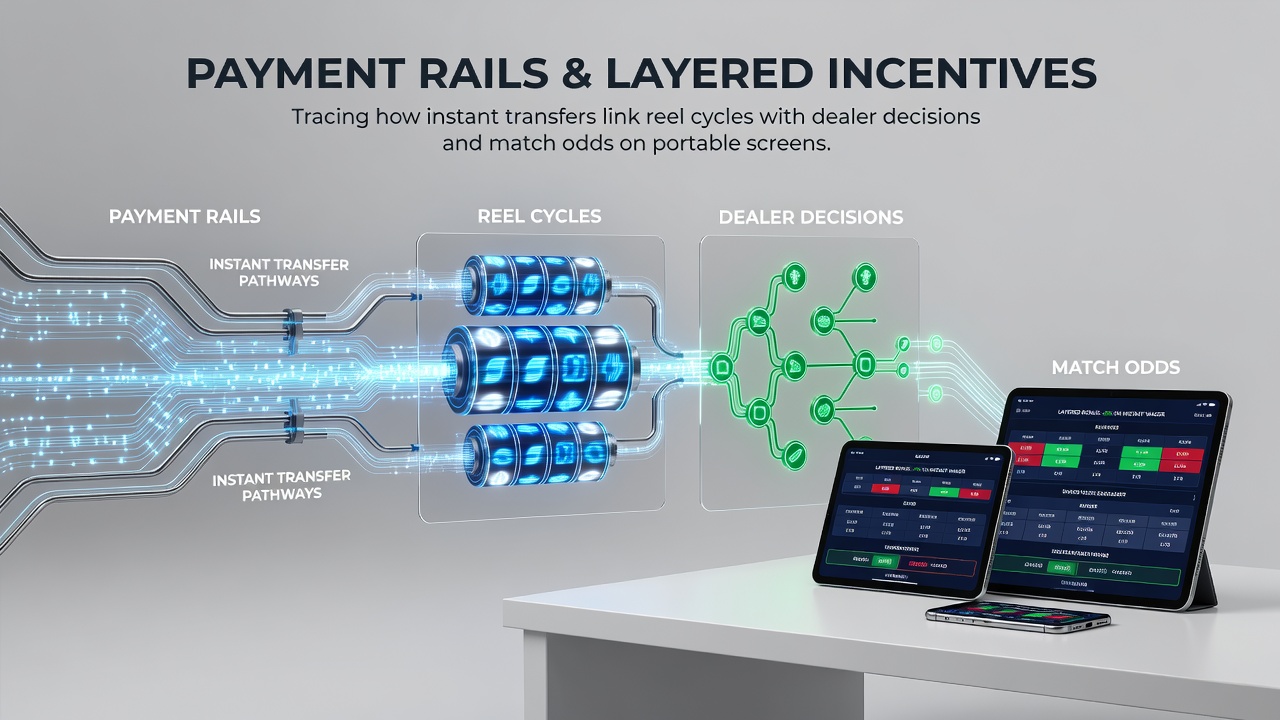
Payment rails in mobile gambling environments enable rapid movement of funds between user accounts and game platforms, creating direct connections between slot reel cycles, live dealer actions, and sports match odds. These systems process deposits and withdrawals through electronic networks that operate in seconds, allowing players to shift between game types without interruption while layered incentives such as deposit matches and cashback offers activate automatically upon transaction completion.
Mechanics of Instant Transfer Systems
Instant transfer systems rely on real-time payment rails including open banking protocols and digital wallet integrations that verify and execute transactions within moments. Data from industry reports shows these rails handle high volumes during peak hours when users alternate between spinning reels on slot machines, placing wagers at virtual dealer tables, and adjusting bets on live sports events. Layered incentives tie directly to these transfers because operators program bonus triggers to activate based on deposit size, frequency, and game category selection, which means a single payment can unlock rewards across multiple verticals simultaneously.
Observers note that portable screens display unified wallet balances updated in real time, so decisions made at a live dealer table can influence available funds for an upcoming match odds bet without requiring separate logins or reloads. This linkage reduces friction in user journeys while the underlying rails maintain compliance with transaction limits set by regional financial regulations.
Connections Across Game Types
Reel cycles in slots respond to instant deposits because players can fund additional spins immediately after a prior round ends, and the same payment rail carries over to live dealer sessions where decisions on hit or stand depend on current balance visibility. Match odds on portable screens update continuously, yet a fresh transfer can adjust stake amounts mid-event because the system processes the instruction before the next play begins. Researchers have documented how these flows create measurable patterns in user activity logs, with transfers clustering around transitions between game modes rather than isolated sessions.
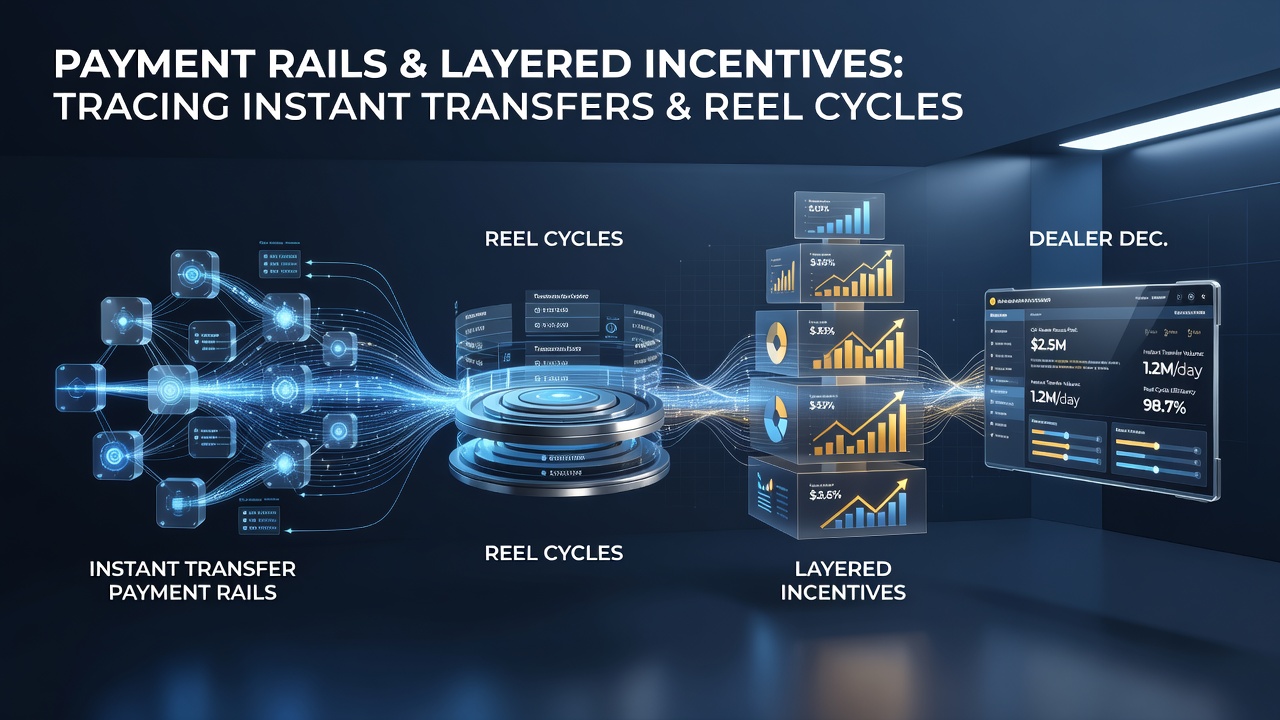
One case examined by analysts involved users who received layered incentives structured as progressive multipliers, where each completed transfer on the rail added value that carried forward from slots into dealer rounds and then into sports wagers. The result appears in aggregated statistics as increased cross-vertical engagement during periods when payment speed remains consistent. According to figures released by the American Gaming Association, mobile transaction volumes through instant rails grew steadily through mid-2026, supporting the integration of these game types on single devices.
Layered Incentives and Rail Interactions
Layered incentives operate as stacked rewards where an initial deposit triggers a base bonus, subsequent activity unlocks additional tiers, and payment rail speed determines eligibility windows. Those who track operator systems find that incentives often reference specific game mechanics such as reel multiplier thresholds or dealer payout structures, which encourages users to maintain active balances across categories. Match odds benefit from this setup because live updates on portable screens reflect stake adjustments funded by the same rail that processed the original incentive activation.
Evidence from transaction monitoring indicates that rail reliability influences how frequently players move between verticals, since delays can interrupt the incentive chain. In August 2026 reports from financial technology audits, systems using faster settlement protocols recorded higher completion rates for multi-game sequences compared with slower alternatives. This pattern holds across regions where regulatory frameworks permit such integrations while requiring clear disclosure of incentive terms tied to payment activity.
Portable Screen Displays and Real-Time Updates
Portable screens serve as the interface where payment confirmations appear alongside game states, enabling users to view updated balances while reel cycles continue or dealer cards are dealt. Match odds shift in response to live events, yet the display integrates payment status so that any recent transfer reflects instantly in available wagering options. Studies conducted by academic institutions on user interface design have shown that unified screens reduce the steps required to apply incentives across game types, which in turn correlates with sustained session lengths in platform data.
Operators program these displays to highlight incentive progress bars that advance with each rail transaction, linking slot outcomes directly to potential dealer payouts and sports bet adjustments. The result is a continuous loop where transfer speed determines how quickly layered rewards become usable across all displayed elements.
Conclusion
Payment rails and layered incentives together form the infrastructure that links reel cycles, dealer decisions, and match odds on portable screens through seamless fund movement and automatic reward activation. Transaction data collected across platforms demonstrates consistent patterns of cross-game activity supported by instant processing capabilities, with external sources such as the Australian Gambling Research Centre providing broader context on regional adoption trends as of August 2026. These systems continue to evolve through technical refinements that maintain transaction integrity while enabling the described linkages.