The Architecture of Incentives: Tiered Programs Spanning Slot Reels, Dealer Tables, and Sports Platforms
Olivia Simon · Jul 21, 2026
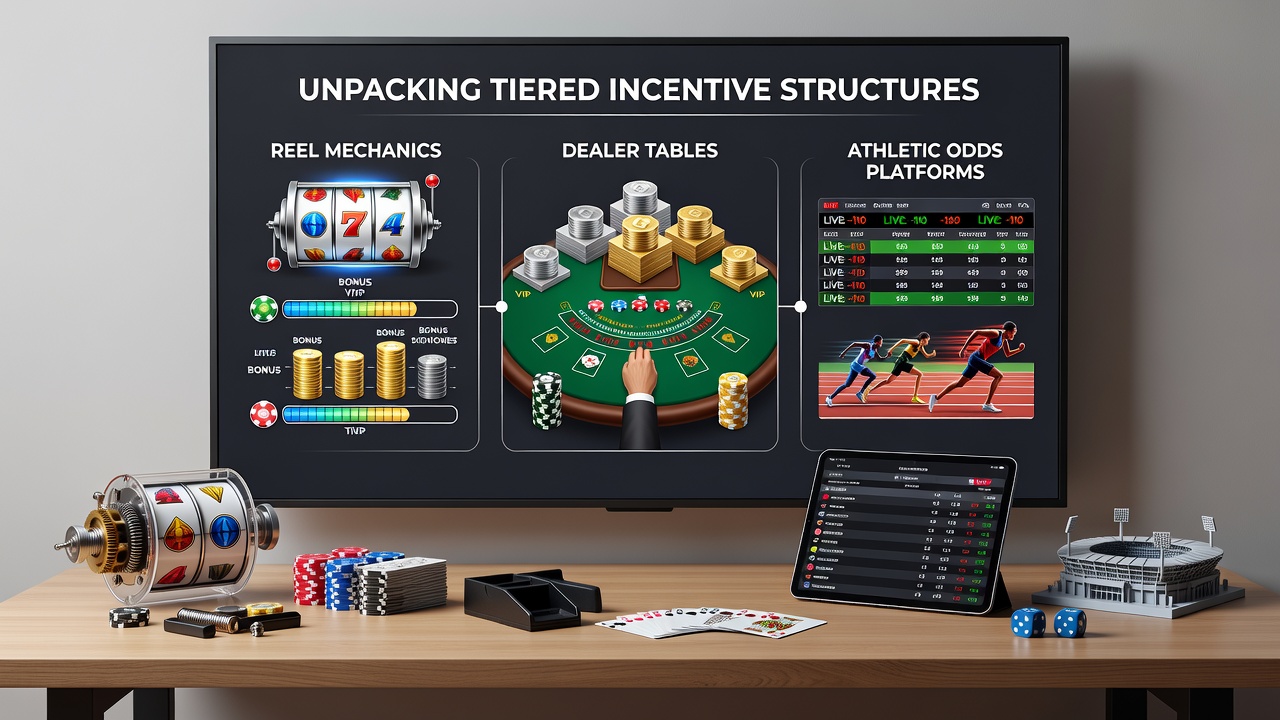
The Architecture of Incentives: Tiered Programs Spanning Slot Reels, Dealer Tables, and Sports Platforms
Operators structure rewards through layered systems that assign players to progressive tiers based on activity metrics such as wager volume, session frequency, and account tenure, and these frameworks differ in application across reel-based games, live dealer environments, and athletic odds platforms while sharing common progression mechanics.
Mechanics of Tier Progression in Reel Games
Slot platforms calculate tier advancement through coin-in totals and spin counts, where entry-level participants receive basic cashback rates around 5 percent while mid-tier members access accelerated point multipliers and exclusive reel titles, yet higher tiers unlock personalized free spin allocations that scale with monthly activity thresholds. Data from industry reports indicates that operators adjust these multipliers quarterly to align with player retention patterns observed in 2025 data sets.
Reel-specific incentives often incorporate game-type multipliers where progressive jackpot contributions count toward tier points at enhanced rates, and players who concentrate wagers on designated titles accelerate their advancement, while standard video slots contribute at baseline levels. This differentiation encourages focused play within the reel category without altering core game mathematics.
Application to Dealer Table Environments
Live dealer platforms track tier progress via table bet volumes and session durations, granting participants at upper levels access to private table reservations and reduced rake percentages that can drop from 2 percent to 0.5 percent depending on sustained activity, and observers note that these benefits integrate directly with real-time dealer interactions rather than automated systems. July 2026 projections from platform analytics suggest increased adoption of tier-linked side bet promotions at blackjack and roulette tables.
Table game tiers frequently bundle physical venue perks with online equivalents, allowing crossover credits where land-based play feeds into digital accounts, while operators maintain separate tracking for electronic versions of dealer games to prevent overlap inflation. Researchers at academic institutions have documented these hybrid models in studies examining cross-channel loyalty integration across North American markets.
Structures Within Athletic Odds Platforms
Sports betting interfaces assign tiers according to total turnover across pre-match and in-play markets, delivering enhanced odds boosts and cash-out flexibility that increases from standard 10 percent to 25 percent margins at top levels, and these platforms link progression to specific sport categories where football and basketball wagers often receive higher point values than niche markets. Figures from the Nevada Gaming Control Board reveal steady growth in tiered reward uptake through early 2026.
Athletic platforms differentiate further by incorporating live event multipliers during major tournaments, where accumulated stakes during those windows count double toward tier movement, yet standard season-long wagers maintain baseline contribution rates to balance overall system economics.
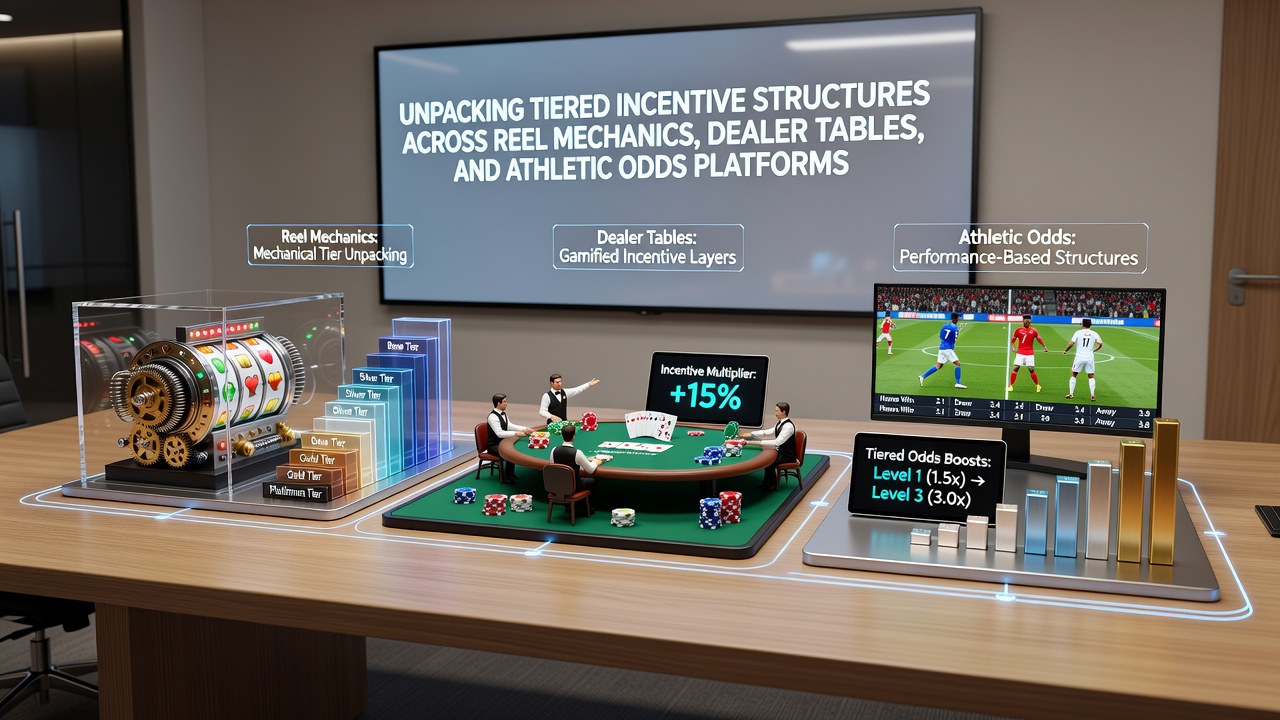
Integration Patterns Across Categories
Many operators unify these verticals under single account tiers that aggregate points from reels, tables, and odds platforms into one progression ladder, allowing a player who splits activity across categories to advance faster than those focused on single verticals, while separate category bonuses remain available as supplementary rewards. This unified approach appears in systems operated across European and Australian jurisdictions according to trade association summaries.
Cross-vertical redemptions enable tier benefits earned in one area to apply elsewhere, such as using slot-derived points for table rake reductions or sports cash-out enhancements, and platform data shows these linkages increase overall engagement metrics without requiring players to restart progression in each category.
Regulatory Context and Reporting Standards
Agencies in multiple regions require operators to disclose tier qualification criteria and benefit valuations in player-facing materials, with updates mandated when structures change, and the Australian Communications and Media Authority has issued guidance documents emphasizing transparent communication of progression thresholds. Compliance reporting cycles typically occur quarterly, providing aggregated statistics on tier distribution without individual player identification.
Research institutions continue to examine how these systems influence play patterns across different game types, with one 2025 paper from a Canadian university analyzing data sets that compare retention rates between unified and siloed tier models in multi-vertical operations.
Conclusion
Tiered incentive structures maintain distinct calculation methods for reel mechanics, dealer tables, and athletic odds platforms while operators increasingly link them through unified accounts to streamline player progression, and regulatory frameworks across jurisdictions enforce disclosure standards that support informed participation. Data collection and reporting practices continue to evolve with platform capabilities through 2026.