Unified Digital Loyalty Frameworks Linking Slot Reel Results to Table Game Engagements and Sports Betting Activities
Olivia Simon · Jul 23, 2026
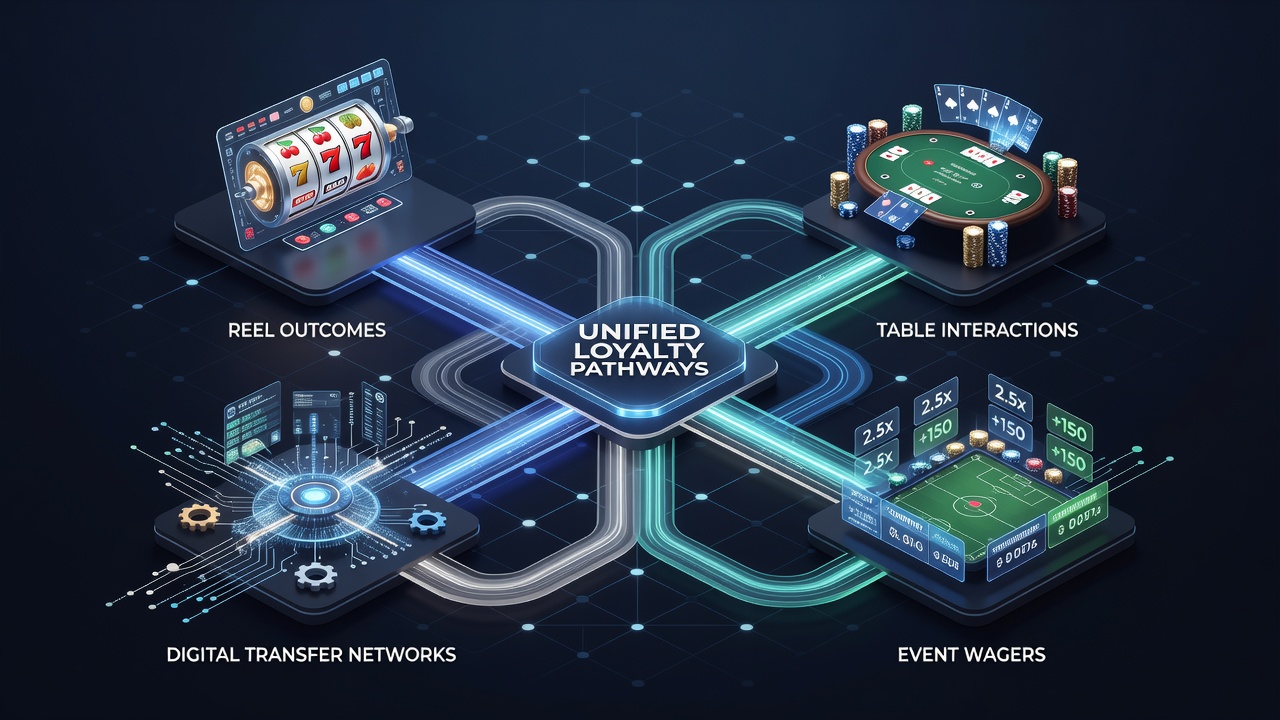
Unified Digital Loyalty Frameworks Linking Slot Reel Results to Table Game Engagements and Sports Betting Activities
Digital transfer networks now allow loyalty points earned from slot reel outcomes to move directly into table game interactions and event wagers across multiple platforms, creating integrated pathways that operators have expanded since early 2025. These systems operate through centralized databases that track player activity in real time, converting spins on reels into credits usable at live dealer tables or in sports betting markets without requiring separate accounts for each category.
Core Mechanics of Cross-Platform Point Transfers
Operators implement application programming interfaces that connect slot machines, table game software, and sportsbook modules so that a single loyalty balance updates after every qualifying action. Data from multiple jurisdictions shows that these interfaces reduce the steps needed to redeem rewards by combining transaction logs into one ledger, which players access through mobile applications or desktop portals. Research from the University of Nevada's gaming studies department indicates that such consolidation increases session continuity because participants can shift between game types while maintaining accumulated value.
Technical Integration Across Game Categories
Reel outcomes generate points based on bet size and frequency, while table interactions contribute through hand volume and average wager amounts. Event wagers add further increments when odds are settled, and all three streams feed into the same digital wallet structure. The American Gaming Association reports that member properties in several states adopted these unified ledgers during 2025, resulting in measurable growth in cross-category play among registered accounts. Systems employ encryption protocols that comply with regional data protection standards, ensuring transfers occur without exposing individual transaction details to third parties.
Payment gateways facilitate instant movement of both monetary balances and loyalty units, allowing users to fund table sessions or place sports bets directly from slot-derived rewards. Observers note that this setup eliminates the need for manual conversions or waiting periods that previously fragmented player engagement. In July 2026 several North American operators completed upgrades to their transfer protocols, incorporating blockchain verification layers that log each point movement with timestamps and game identifiers for audit purposes.
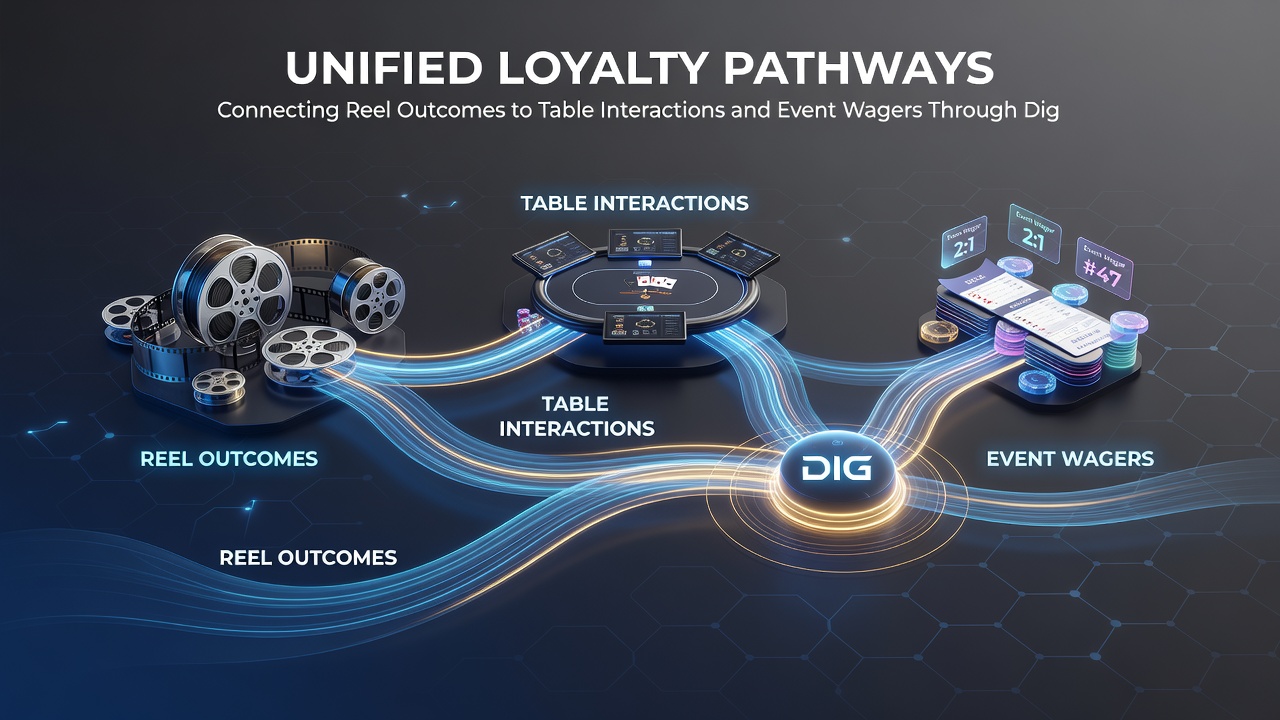
Regulatory and Industry Data on Adoption Rates
Government statistics from Canadian provincial regulators document a 34 percent rise in multi-game loyalty usage between January and June 2026 among licensed operators. These figures come from aggregated player reports submitted quarterly, which track how often points migrate between slot, table, and sports categories. European industry groups have published parallel findings, noting that operators using unified networks experience higher retention metrics compared with those maintaining separate loyalty silos. The technical standards published by the European Gaming and Betting Association outline minimum requirements for interoperability, including real-time synchronization and fallback procedures during network outages.
Academic papers from Australian universities have examined similar systems in that market, where loyalty pathways connect land-based and online environments through shared digital ledgers. One study tracked participants over twelve months and found that individuals who utilized cross-category transfers placed 22 percent more total wagers than those who did not, although the research controlled for variables such as deposit frequency and game preference. Operators in the region cite these patterns when describing how digital networks support sustained activity across reel, table, and event products.
Examples of Implementation in Different Markets
One major platform in the United States integrated its loyalty engine with third-party sportsbook feeds so that points from slot sessions could offset betting margins on live events. Another operator in Asia linked table game progressive jackpots to the same point pool used for mobile slot play, allowing seamless redemption across both environments. These cases illustrate how the underlying digital transfer architecture scales to different regulatory frameworks while preserving the core function of moving value between game types without manual intervention.
Industry reports further detail that security audits performed in mid-2026 confirmed the integrity of these networks, with zero unauthorized point movements recorded across sampled operators. Compliance teams verify that transfer rules align with local responsible gaming guidelines, including automatic caps on point accumulation tied to verified identity checks.
Conclusion
Unified loyalty pathways continue to evolve through ongoing technical refinements that link reel outcomes, table interactions, and event wagers within single digital frameworks. Data from multiple regions demonstrates consistent patterns of increased cross-category activity where these networks operate, supported by standardized interfaces and regulatory oversight. As operators complete further protocol upgrades scheduled for late 2026, the systems are expected to maintain their role in consolidating player value across distinct gambling formats.