Verification Checkpoints Streamlining Transitions Across Mobile Gaming Experiences
Carlo Baumann · May 30, 2026
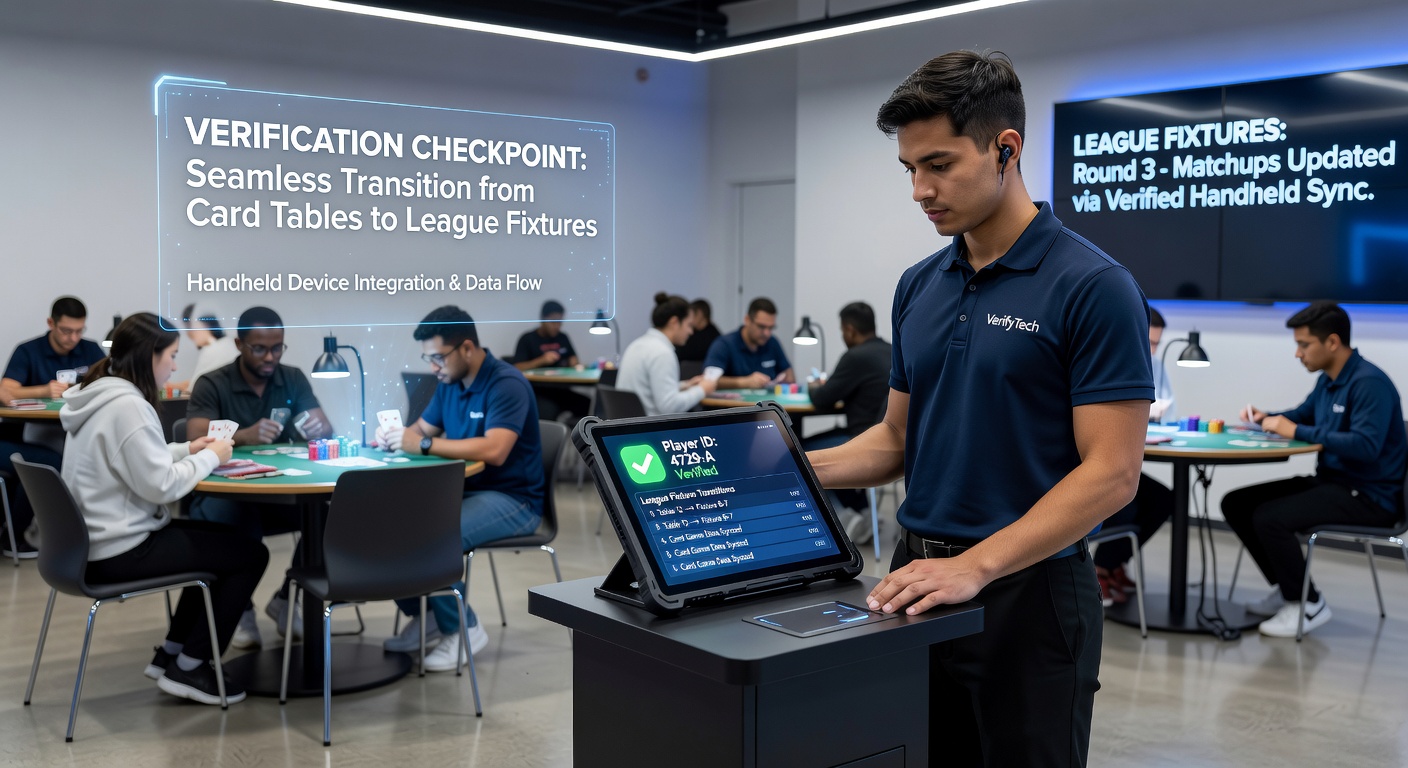
Verification Checkpoints Streamlining Transitions Across Mobile Gaming Experiences
Verification checkpoints function as structured security protocols within mobile applications, enabling users to move between card table environments and league fixture betting sections without repeated authentication cycles. These systems rely on layered identity confirmation methods that activate at key points during gameplay shifts, maintaining compliance while preserving session continuity on handheld devices. Data from industry reports indicates that such checkpoints reduce friction in user flows, particularly as platforms expand their offerings in live dealer formats and real-time sports markets.
Core Components of Verification Checkpoints
Checkpoints typically incorporate document uploads, biometric scans, and behavioral analysis tools that verify user details at intervals determined by regulatory thresholds. Operators implement these at account creation stages and again when crossing from one vertical to another, such as when a player finishes a blackjack round and selects a soccer match wager. According to the Nevada Gaming Control Board, standardized verification procedures help track activity across game types and support responsible gaming measures through consistent monitoring.
Handheld devices present unique challenges because screen sizes limit input options, which pushes developers toward streamlined processes like facial recognition paired with one-time passcodes. Research indicates these methods achieve verification success rates above 95 percent in optimized apps when integrated with device-native security features.
Application in Card Table Environments
Within digital card tables, checkpoints often trigger after initial login or following extended play sessions exceeding predefined time limits. This setup confirms ongoing eligibility before allowing continued participation in games like poker or baccarat variants. Observers note that seamless re-verification during table switches prevents disruptions, allowing players to maintain momentum across multiple hands or dealer interactions.
Systems record each checkpoint event in centralized logs that feed into broader analytics dashboards, revealing patterns in session durations and game preferences. Those who have studied platform data find that card table users who encounter minimal verification delays tend to engage longer before exploring other sections.
Facilitating Movement to League Fixtures
Transitions to league fixtures require checkpoints that validate both account status and location data, since sports betting rules vary by jurisdiction. Once a user completes card table verification, the platform carries forward session tokens that authorize quick entry into odds interfaces for matches like Premier League fixtures or NBA games. This continuity relies on backend synchronization that updates in real time across modules.
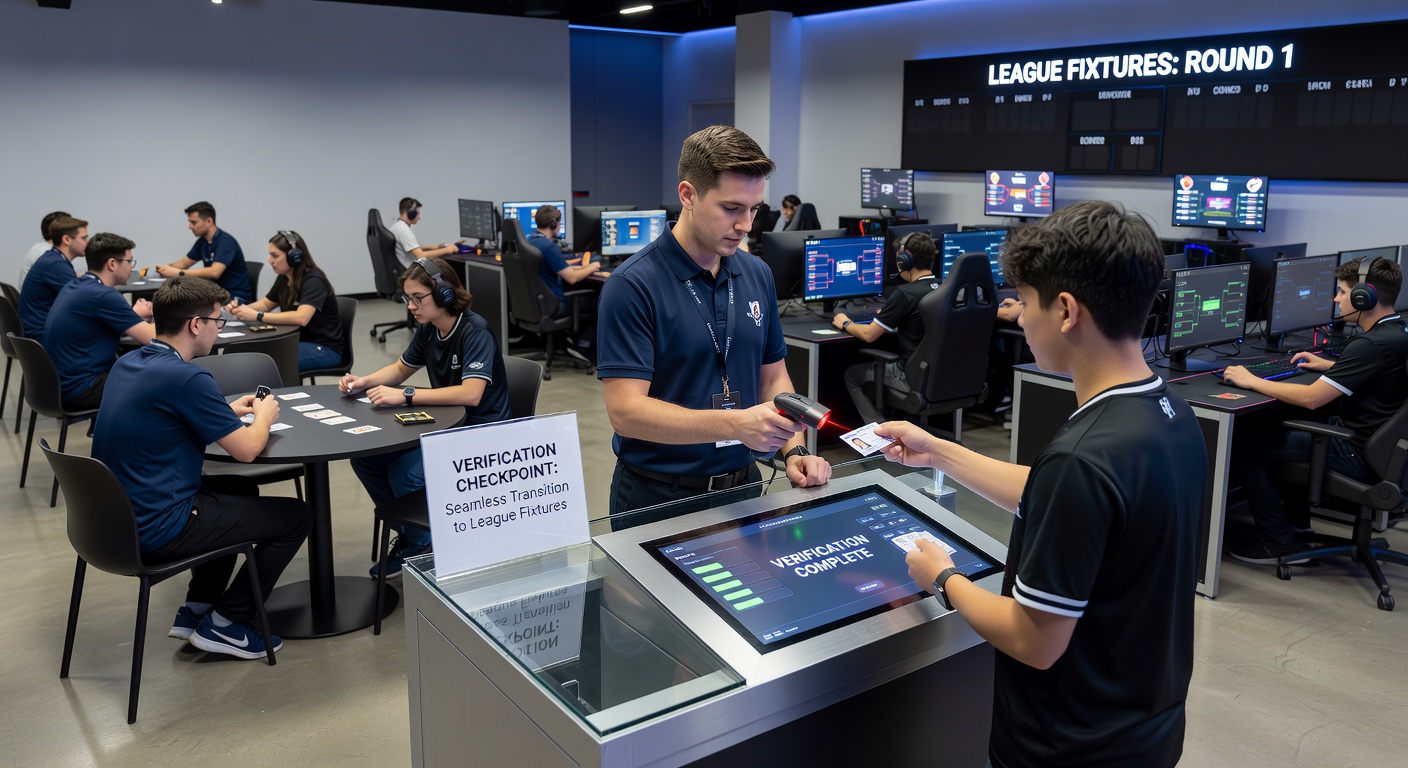
Figures from the European Gaming and Betting Association reveal that integrated checkpoint designs correlate with higher retention rates across verticals, as users avoid redundant logouts when shifting focus. In May 2026, several operators rolled out enhanced protocols that incorporate geofencing alongside identity checks, ensuring compliance during live event betting surges without interrupting the user experience.
Technical Implementation on Handheld Platforms
Developers build these checkpoints into cross-platform frameworks that support both iOS and Android environments, using encrypted channels to transmit verification data. APIs connect front-end interfaces with backend servers that process checks in under three seconds on average, according to performance benchmarks shared at industry conferences. Battery and network efficiency matter here, since prolonged verification sequences can drain resources on mobile connections.
Case examples show platforms that embed progressive verification, where partial checks complete in the background during card play and finalize only at the transition point. This approach minimizes user input while upholding security standards across regions with differing data protection requirements.
Regulatory Context and Evolving Standards
Authorities in multiple jurisdictions continue refining guidelines around verification frequency and data handling, with updates expected through 2026 that address emerging technologies like decentralized identity solutions. Platforms adapt by incorporating modular checkpoint designs that scale according to game type and user history. Evidence suggests these adaptations help operators maintain operational licenses while delivering fluid experiences from table games to sports markets.
Conclusion
Verification checkpoints serve as essential bridges in mobile gaming ecosystems, supporting secure and uninterrupted movement between card tables and league fixtures. Their implementation reflects ongoing efforts to balance regulatory demands with user expectations for speed and simplicity on handheld devices, shaping platform development through at least May 2026 and beyond.